Launch from the Baikonur Cosmodrome and
landing 540 km northwest of Karaganda (53. latitude grade).
The launch
was scrubbed several times due of technical problems and excessive solar flare
activity. The cosmonaut was originally intended to stay in orbit for eight
days, but the spacecraft ended up in a lower than planned orbit. Combined with
increased atmospheric activity due to solar levels,
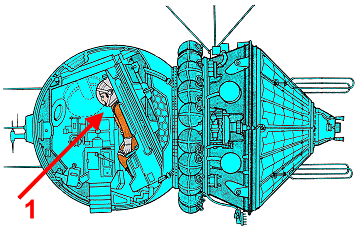
Vostok 5 quickly decayed and temperatures in the
service module reached very high levels (up to 30°C) and turned down on the
3rd day to only 10°C. So, the mission had to be shortened.
Mission
objectives were officially: further study of the effect of various spaceflight
factors in the human organism; extensive medico-biological experiments under
conditions of prolonged flight; further elaboration and improvement of
spaceship systems, but no results were published. Unlike earlier missions, only
a black and white film camera was carried. Photometric measurements of the
earth's horizon were made.
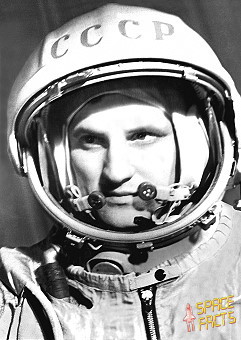
It was a
rendezvous flight with
Vostok 6 (4.5 km distance) at
time. There was directly communication between both capsules during the closest
approach. Later on, the cosmonaut performed communications experiments with
submarines and airplanes.
A problem with the spacecraft's wast
collection system (probably a spill) made conditions "unpleasant" in the
capsule. Once again, the
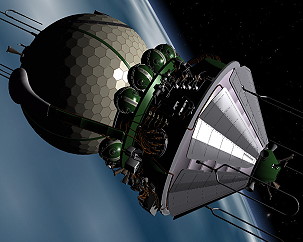
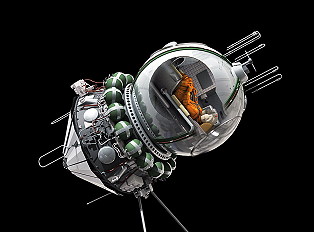
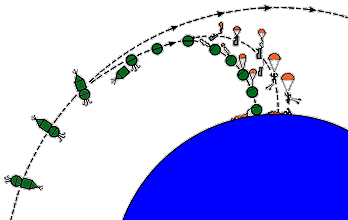
Vostok service module failed to separate cleanly from
the reentry sphere. Wild gyrations ensued until the heat of reentry burned
through the non-separating retraining strap. But all in all, it was the longest
flight duration of a spacecraft until that time.
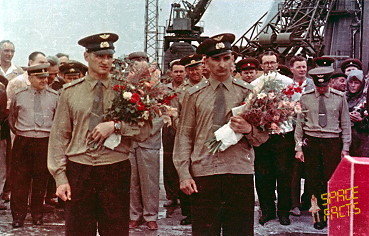
Many errors occurred
in the entire landing sequences, including actions of the
VVS recovery forces. Both spacecraft landed two
degrees of latitude north of the aim point. It was calculated that this could
have occurred by duplicate landing commands having been sent, but such a
failure could not be duplicated in postflight tests of ground
equipment.
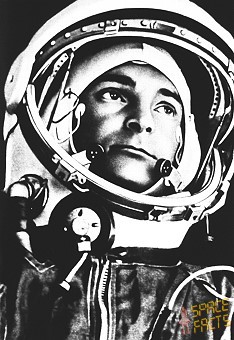
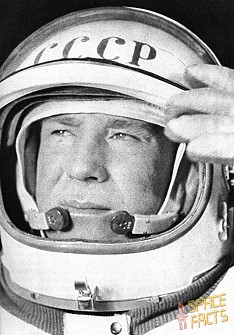
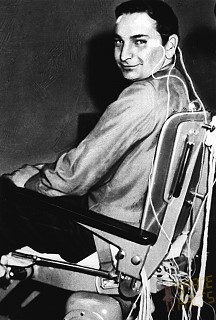
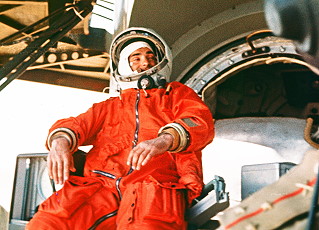
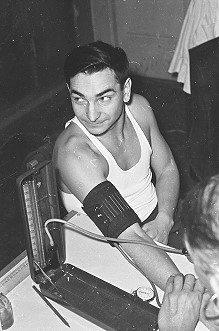
Valeri
Bykovsky was originally intended to stay in orbit for eight
days, but the mission details changed many times due to elevated levels of
solar flare activity at the time and he was eventually ordered back after five
days. This remains the record for solo manned flight in Earth orbit.